When is the Best Time to Visit Ishigaki Island? Best Season Guide Based on "Cost" & "Sunny Days"
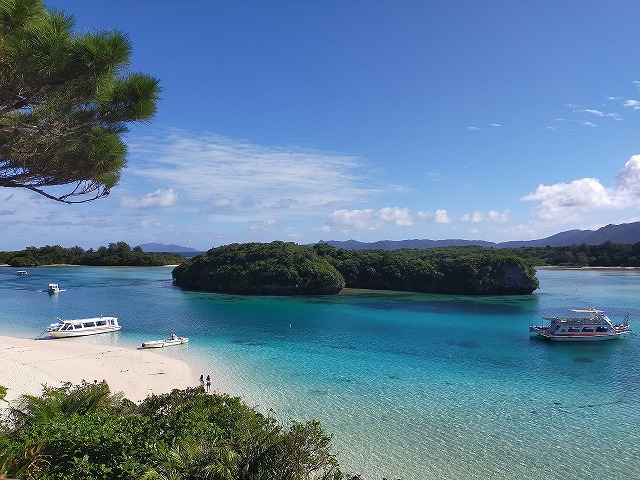
"When is the best and most affordable time to visit Ishigaki Island, Okinawa, Japan?"
This is the question I get asked most often by friends from outside the island.
In conclusion, there is no "perfect time for everyone."
This is because the ideal month is completely different for "students who want to go as cheaply as possible" and "couples who want to see the blue ocean no matter the cost."
In this article, I have visualized the trends of "accommodation costs" and "sunny day rates" by combining my perspective as a resident with weather data. Please use this as a guide to determine your own best season by balancing your budget and priorities (ocean, hotel, or food).
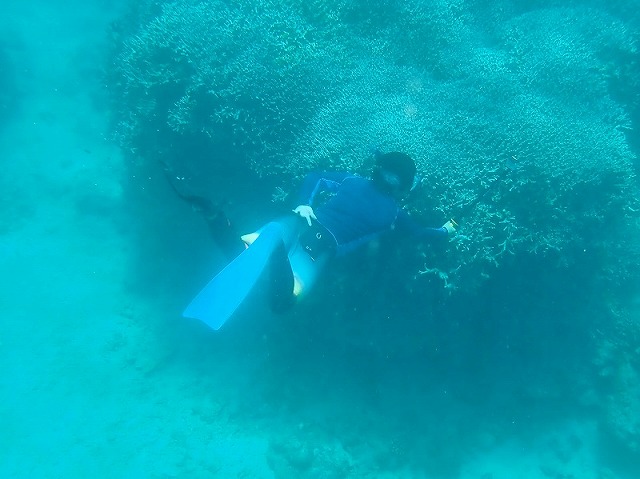
1. [Data Comparison] Ishigaki Island Monthly Calendar (Cost, Weather, Sea Condition)
Hotel prices in Ishigaki Island fluctuate significantly depending on the season. It is not uncommon for the same room to cost more than three times as much in August compared to January. Rental cars, flight tickets, and congestion levels also rise in tandem with hotel prices.
Check the table below to confirm the balance between "acceptable budget" and "expected weather."
| Month | Cost | Sunny Rate | Water Temp | Crowds | Impression & Typhoon Risk |
|---|---|---|---|---|---|
| Jan | ★☆☆☆☆ | 30% | 21℃ | ★☆☆☆☆ | 【Hotel Stay】Lowest price. Winter sky, but best value for luxury hotel stay. ※Typhoon Risk: Almost none |
| Feb | ★☆☆☆☆ | 35% | 21℃ | ★★☆☆☆ | 【Baseball Camp】Still cheap. The town gets lively with pro baseball camps. ※Typhoon Risk: Almost none |
| Mar | ★★★☆☆ | 55% | 23℃ | ★★★★☆ | 【Beach Opening】Prices soar during spring break. Early March is cheap and stable. ※Typhoon Risk: Almost none |
| Apr | ★★★☆☆ | 50% | 24℃ | ★★★☆☆ | 【Comfort Balance】Good until before Golden Week. Not too hot, perfect for walking. ※Typhoon Risk: Almost none |
| May | ★★☆☆☆ | 45% | 26℃ | ★★☆☆☆ | 【Post-GW is Key】Rainy season starts, but rain is temporary. Prices drop after the holidays. ※Typhoon Risk: Rare |
| Jun | ★★★☆☆ | 65% | 28℃ | ★★★☆☆ | 【End of Rainy Season】Late June is best. The only month with "Blue Sky x Discount". ※Typhoon Risk: Caution around end of rainy season (0.4 times) |
| Jul | ★★★★★ | 75% | 29℃ | ★★★★★ | 【Classic Resort】Peak prices, but you can meet the most "Ishigaki-like" scenery. ※Typhoon Risk: Season starts (1.2 times) |
| Aug | ★★★★★ | 70% | 30℃ | ★★★★★ | 【Fruit Season】High price. Sea is hot, watch out for heatstroke. ※Typhoon Risk: Highest (1.4 times). Slow movement, big impact. |
| Sep | ★★★★☆ | 60% | 28℃ | ★★★★☆ | 【Adult Summer】Calm except Silver Week. Summer continues. ※Typhoon Risk: High (1.2 times). Fast speed, direct hits possible. |
| Oct | ★★★☆☆ | 55% | 26℃ | ★★★☆☆ | 【Cost Performance】Cooler and comfortable. Good balance of flights and hotels. ※Typhoon Risk: Watch out for autumn typhoons (0.8 times) |
| Nov | ★★☆☆☆ | 45% | 25℃ | ★★☆☆☆ | 【Hidden Best】Water is still warm. Enjoy quiet sea with a wetsuit. ※Typhoon Risk: Rare but high waves |
| Dec | ★★☆☆☆ | 40% | 23℃ | ★★★☆☆ | 【Quiet Holiday】Very cheap except Christmas. Perfect for a calm adult island trip. ※Typhoon Risk: Almost none |
⚠️ The Truth About "Typhoon Risk" You Should Know
The number of typhoons approaching the Ishigaki Island region is about 5.5 per year. What you should be especially careful about is the difference in quality between "August" and "September".
- August Typhoons: They wander or move slowly. Even if you book a luxury hotel for 3 nights, there is a maximum risk that "3 days will end without being able to take a single step outside" due to the typhoon.
- September Typhoons: Due to the influence of westerlies, the speed increases, so the stormy period is short, but they often hit directly with strong intensity.
"Landfall" is rare, but just approaching (within 300km) causes the sea to become very rough and ships to be cancelled. When traveling in summer, please plan with this risk in mind.
2. "Cloudy" Forecast Means Different Things by Season. Local Weather Guide
It is premature to decide "Winter is bad because the weather is bad" by looking at the table. Actually, the reliability of weather forecasts differs completely depending on the season.
- Oct - Feb (North Wind Season): If the forecast is "Cloudy," there is a high possibility of rain. Rain carried by the north wind tends to drizzle for a long time.
- Jun - Sep (South Wind Season): Even if the forecast is "Cloudy," it is often sunny in reality. Rain from the south wind is often a "squall," which pours down and stops immediately, followed by a glittering sun. And after the rain, a rainbow appears.
In other words, if you come in winter, prepare a "plan that can be enjoyed even in rain (craft experience or hotel life)" and your satisfaction will not drop. If you come in summer, adopt a stance of "going out to the sea without worrying about temporary rain." Knowing this alone dramatically improves mental preparation and planning accuracy.
3. By Purpose: Fail-proof "Timing" & "Hotel" Combinations
Every season has a "correct way to spend time." Please choose the best combination according to your travel style.
① Ocean First! If you definitely want to see "Ishigaki Blue" (Late June - September)
It costs money, but the blueness of the sea created by the summer sun is exceptional. However, don't forget that July and August come with typhoon risks.
Recommended Hotels: Hotels with direct beach access. At Fusaki Beach Resort or ANA InterContinental, you can jump into the sea the moment it clears up.
② Best Value. Stay at a "Luxury Resort" Cheaply (Nov, Jan, Post-GW May)
If your goal is "relaxing at a resort hotel" rather than swimming, this period is the strongest. You can have a luxurious experience for less than half the price of the high season.
Recommended Hotels: Hotels with indoor pools or large public baths. Even if it rains outside, Grandvrio Resort or ANA InterContinental promise an elegant day with heated pools and spas.
③ Local's Recommendation: Short but "Super Best Season" (Mid-June - Early July)
The end of the rainy season in Okinawa is earlier than the mainland, usually around June 20th. The approximately 2-3 weeks from here until the July summer vacation rates kick in is the only timing where "Midsummer Sky" and "Off-season Prices" overlap. If you can take a vacation freely, there is no reason not to aim for this.
In 2026, staying on weekdays "Sunday to Thursday" is a great deal. Just avoiding Friday and Saturday can save enough budget to upgrade your dinner rank.
4. What You Need to Know to Maximize Ocean Satisfaction
"You can't enjoy the sea unless it's summer" is a misunderstanding. Here are the pros and cons of the sea for each season.
- Water Temperature & Comfort:
In midsummer, the seawater temperature is nearly 30°C, like lukewarm water. Children can stay in forever, but body temperature doesn't drop, so heatstroke care is essential. Conversely, in winter and spring, the water temperature drops, but transparency is outstanding if you wear a wetsuit. Since there are fewer tourists, the fish are relaxed, and you can snorkel calmly. - Law of Transparency:
Actually, "Sunny = High Transparency" is not necessarily true. What matters is "Wind" and "Tide." Even after rain, if the wind is weak, the sea is clear. Conversely, even if it's sunny, if the wind is strong, waves rise and sand dances. Also, during low tide, muddy water flows offshore, making it turbid, so the time heading towards high tide is the chance to meet the clearest sea.
5. Advice for Readers: Things to Note in Ishigaki Island in 2026
Due to the large-scale renewal of San-A (local supermarket) in 2025, the free shuttle bus from the remote island terminal has been abolished. Instead, the parking lot has become very large, so you don't have to wander around looking for a space anymore.
Also, cruise ship calls are increasing. Especially popular spots like Kabira Bay become very crowded when they overlap with large ship arrival days. If you want to enjoy quietly, check the arrival schedule and try to shift your time. If you organize the conditions and prepare, it will be a trip where you think "I'm glad I went" at any time.
Conclusion: Once your priorities are set, that is your best season
Ishigaki Island has the goodness of each of the four seasons.
- Summer: For those who want to see overwhelming "Blue" even if bearing the cost and typhoon risk.
- Winter/Spring: For those who want to avoid crowds, save budget wisely, and enjoy a "quality hotel stay".
- End of Rainy Season/Autumn: For those who want to enjoy the island smartly with a good balance.
The important thing is to understand the "merits" and "demerits" of that period and cover them with hotel selection and belongings. If you are prepared, Ishigaki Island welcomes you all year round.
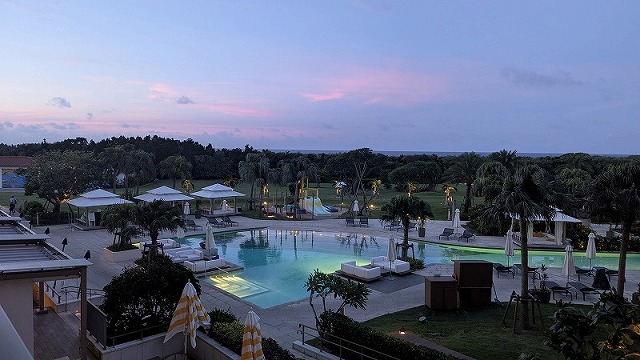
【Ishigaki】Pools Even in Winter! 3 Hotels with Indoor Pools | Smart Choice Unaffected by Weather
Can you swim in winter? Visitor use? Locals thoroughly compare pool situations at major hotels like Fusaki, ANA, and Grandvrio.
【2026 Edition】Ishigaki Island Rental Car Situation | Tricks to Avoid Booking Difficulties & Points of Caution
No reservation is dangerous! A must-book list taught by residents and tricks when you can't get a reservation.