[Ishigaki Island] Winter is a Hidden Gem! Surface Mantas? Asa Picking? Winter is Fun Too!
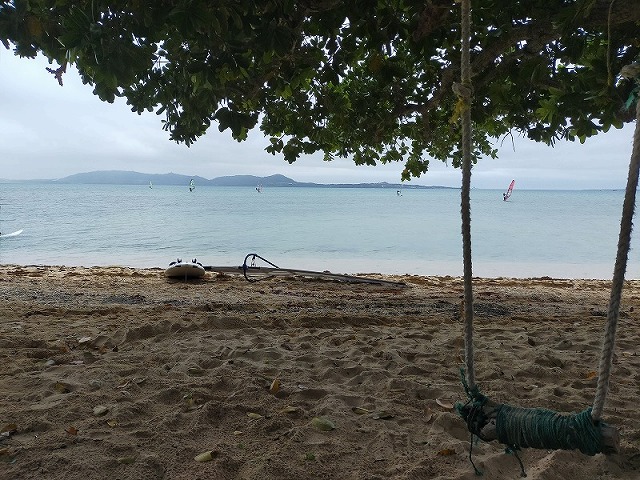
"Winter in Ishigaki Island, Okinawa, Japan means you can't swim in the sea, so it's not much fun, right?"
If you think so, it's a waste!
Actually, veteran guides and residents of the island know that "Winter is the hidden gem season of Ishigaki Island".
Although there are fewer piercing blue skies like in summer, it is packed with special scenery and experiences that can only be encountered in winter.
This time, I will secretly teach you how to enjoy "Winter Ishigaki Island" not listed in guidebooks.
- 1. Cheap Travel Costs, Increased Comfort! Unexpected Merits of Winter Travel
- 2. Winter Sea is Hot! Aim for "Surface Mantas"
- 3. Sharing Islanders' Daily Life. "Natural Taste Hunting"
- 4. If You Are Lucky...? "Picking Up Fish" on a Big Cold Wave Day
- 5. "Oshima Mado-Hotaru" Coloring Winter Nights
- [Islander's Honest Opinion] Precautions for Winter Travel and Tips for Enjoying
1. Cheap Travel Costs, Increased Comfort! Unexpected Merits of Winter Travel
First, let's talk realistically. Winter in Ishigaki Island has the best cost performance for travel.
💰 Rental Cars and Hotels are Anyway Cheap
It is not uncommon to stay at less than half the price of summer. Reservations are easy to get, so even with a last-minute whim trip, you can reach the longed-for luxury resort.
▼ Luxury Hotels are Within Reach in Winter! ▼
Check Availability on Booking.com🌡️ Comfortable Climate and Clothing
Even in winter, the temperature is around 20 degrees Celsius. Even if we say "cold", it is the sense of the islanders, and if you come from the mainland, you should feel it as "spring weather".
I basically wear sandals and bare feet even in winter (lol).
However, since it is chilly when the north wind blows, the style of wearing a hoodie or windbreaker over a T-shirt is the most comfortable.
2. Winter Sea is Hot! Aim for "Surface Mantas"
The protagonist of the winter sea is undoubtedly "Manta Rays". But the way they look is completely different from summer mantas.
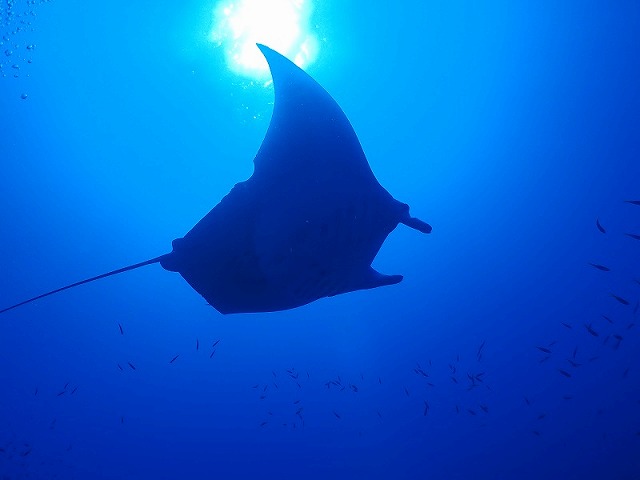
In summer, it is common to observe mantas staying still at "cleaning spots" on the seabed, but in winter, plankton, which is food, gathers near the water surface due to ocean currents.
Chasing that, mantas also come up to the water surface!
It is only in winter that you can see the fins splashing even from the boat, and in snorkeling, you can worship the powerful "predation scene" at the same eye level as the manta.
If you wear a thick wetsuit, the water is surprisingly warm, so don't worry.
▼ Find Winter Limited Manta Experience ▼
Book Manta Tours on Viator3. Sharing Islanders' Daily Life. "Natural Taste Hunting"
Winter in Ishigaki Island is the season when the sea changes from "something to look at" to "something to take".
🌿 "Asa (Sea Lettuce)" Picking with a Feeling of Shellfish Gathering
From December to March (peak season is from late January), the coast is dyed in vivid green.
Natural Asa is all-you-can-pick at rocky areas such as Shiraho Coast, Miyara Coast, and Maezato Coast!
- Tip: If you pull it out from the root, sand will mix in, so "tear it off above the root" is the islander style.
- How to Enjoy: If the inn has a kitchen, put it directly into miso soup. The scent of the beach explodes, making it the best breakfast.
🥢 From February, "Natural Mozuku" Comes into Play
From around February, Mozuku can be harvested in Nagura Bay etc. It is completely different from vinegar pickles in supermarkets. Once you eat "Raw Mozuku" with different sliminess and texture, you can't go back.
▼ Car is Essential for Harvest Experience! ▼
Compare & Book Rental Cars on Klook4. If You Are Lucky...? "Picking Up Fish" on a Big Cold Wave Day
This is a rare case that may or may not happen once a year, but if a big cold wave comes where the minimum temperature drops below 10 degrees, go to the beach without hesitation.
Due to the sudden cold, "fish in a state of suspended animation" may be washed up on the sandy beach.
They are fresh enough to revive if the water temperature returns, so there are strong people who pick them up and eat them... If you encounter such a scene, you are a traveler who "has it" considerably (lol).
5. "Oshima Mado-Hotaru" Coloring Winter Nights
On a winter night, try walking in the grass a little outside the city.
In Ishigaki Island, there is a firefly called "Oshima Mado-Hotaru" that glows in winter.
Unlike the fleeting light of summer fireflies, the appearance of glowing strongly in the grass is very fantastic. It colors the quiet walk of the winter night.
[Islander's Honest Opinion] Precautions for Winter Travel and Tips for Enjoying
To make it the best winter trip, I will also tell you the honest disadvantages as a professional guide.
That is, do not expect "blue sea" too much.
In winter, there are many cloudy and rainy days due to the influence of strong north winds, and the sea tends to be rough. Even if the forecast is "cloudy", for islanders "that is the normal operation of winter".
That's why the trick is not to pack too many schedules. Lucky if it's sunny, enjoy delicious island cuisine and craft experiences if it rains.
For those who can leave themselves to such "island time", winter Ishigaki Island will be a more luxurious resort than anywhere else!
[Ishigaki Island] Don't Give Up Even on Rainy Days! 5 Fun Rainy Day Spots for Kids + α
Plans to fully enjoy rainy Ishigaki Island, from mysterious limestone caves to activities that are okay even if you get wet.
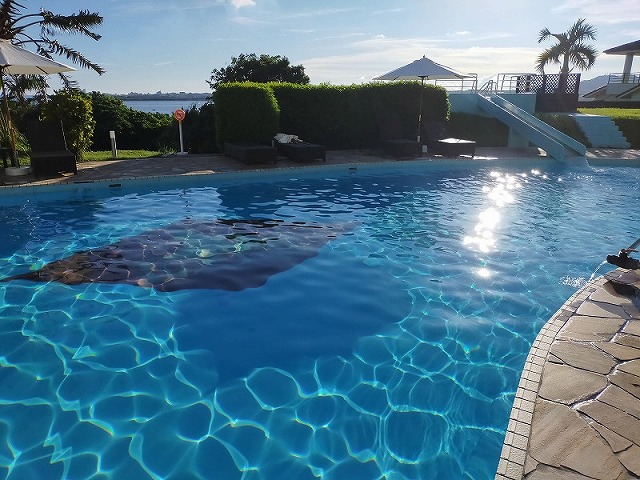
[Ishigaki Island] Comparison of Hotels with Pools | Is Visitor Use a Loss? Correct Answer of "Inn to Stay" Taught by Residents
Intending to save money with "cheap inn + visitor pool" may end up costing more. Honest explanation from the presence or absence of indoor pools that can be enjoyed even in rain to the back side of visitor fees.
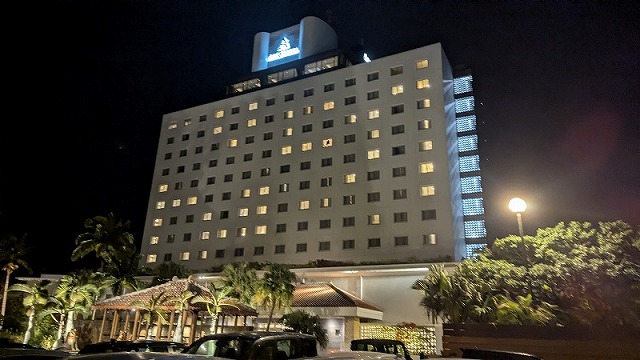
[Ishigaki Island] Only 1 Sento!? A Resident Explains the Only Hidden Spot "Niifai-yu" for Day Trip Bathing
Are islanders shower people? The reason why there are no public baths in Ishigaki Island and a guide to "Niifai-yu", the only facility available for day trip bathing.

